Pera Industry Shanghai Co., Ltd

What is Beer Line

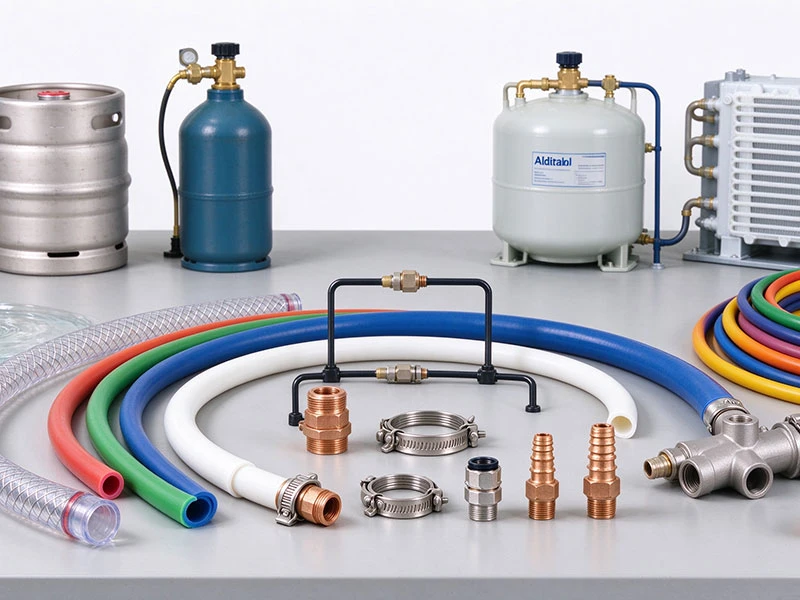
A beer line is a crucial component of any draft beer system, serving as the conduit through which beer flows from the keg to the tap for dispensing. Typically composed of food-grade tubing and fittings, the beer line maintains proper pressure, temperature, and carbonation levels to ensure the quality and freshness of the beer. Regular cleaning and maintenance of the beer line are essential to prevent the buildup of contaminants and maintain optimal hygiene standards, ultimately contributing to the enjoyment of well-poured, flavorful draft beer for patrons in bars, pubs, and other establishments.


Advantages of Beer Line


Maintains freshness

By transporting beer directly from the keg to the tap, the beer line ensures that the beer remains fresh and untainted by external factors, preserving its flavor and quality.

Temperature control

Beer lines can be insulated to regulate the temperature of the beer as it travels, ensuring that it is dispensed at the ideal temperature for maximum enjoyment.

Efficient dispensing

With a well-designed beer line system, bartenders can pour beers quickly and efficiently, minimizing wait times for customers and maximizing sales during busy periods.

Reduced waste

By precisely controlling the flow of beer from the keg to the tap, beer lines help minimize waste and over-pouring, ensuring that every drop of beer is served and enjoyed.

productcate-4032-3024

TJ192B01

productcate-1008-756

TJ192A002

productcate-1008-756

TJ192A007

productcate-4032-3024

TJ192A009


Why Choose US

One-stop solution
With rich experience and one-to-one service,we can help you choose products and answer technical questions.


Customization services
They provide customization services to meet specific customer requirements, ensuring that clients receive products that exactly fit their needs.


Innovation
We are dedicated to improving our systems continually, ensuring that the technology we offer is always cutting edge.


24h online service
We try and respond to all concerns within 24 hours and our teams are always at your disposal in case of any emergencies.

PVC Beer Line


How Does a Beer Line Connect to the Keg


Coupler selection: Different types of kegs require different couplers. For example, a Sankey coupler is commonly used for American-style kegs, while a European-style keg may require a different type of coupler. The coupler ensures a secure connection between the keg and the beer line.

 
Insertion

The bartender or operator selects the appropriate coupler for the keg and inserts it onto the valve on top of the keg. The coupler typically has two or more prongs that engage with corresponding slots on the keg valve, ensuring a proper connection.

 
Securing

Once the coupler is inserted, it is typically turned or locked into place to secure it onto the keg valve. This prevents the coupler from coming loose during dispensing and ensures a tight seal to prevent leaks.

 
Tubing connection

The other end of the coupler is connected to the beer line tubing. This connection may involve screwing or clamping the tubing onto a barbed fitting on the coupler, ensuring a secure and leak-free connection.

 
Testing

Before dispensing beer, the operator may perform a pressure test to ensure that the coupler is properly connected and sealed. This involves pressurizing the system and checking for any leaks or issues.


What Material Is Typically Used to Manufacture a Beer Line


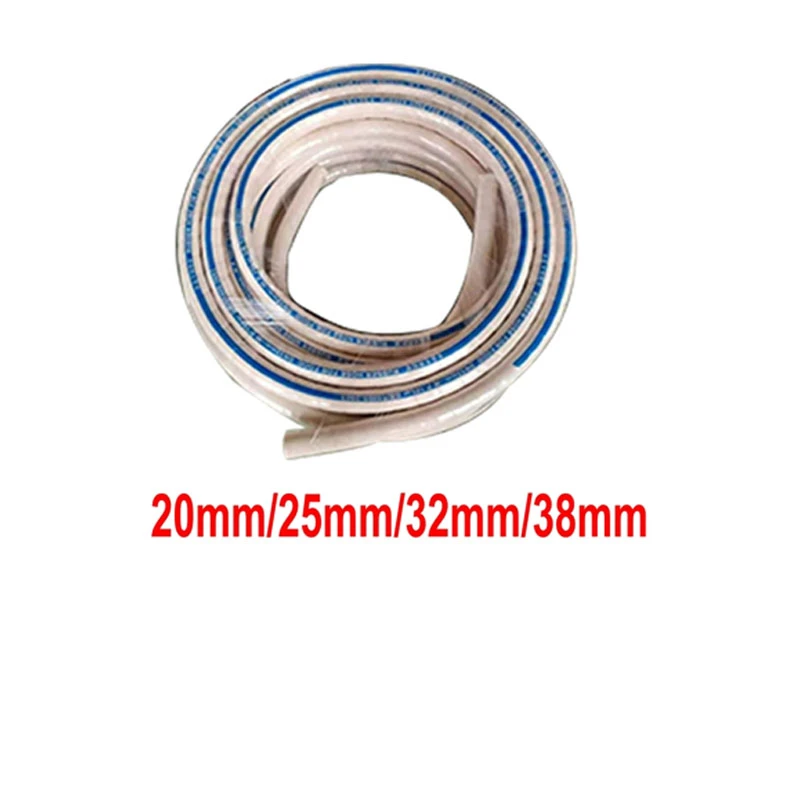
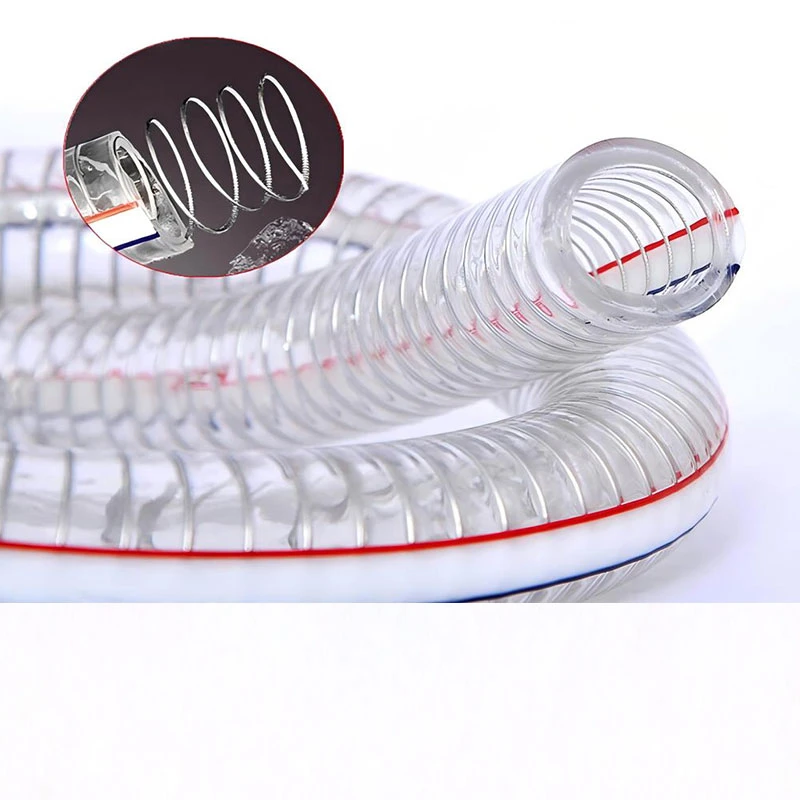
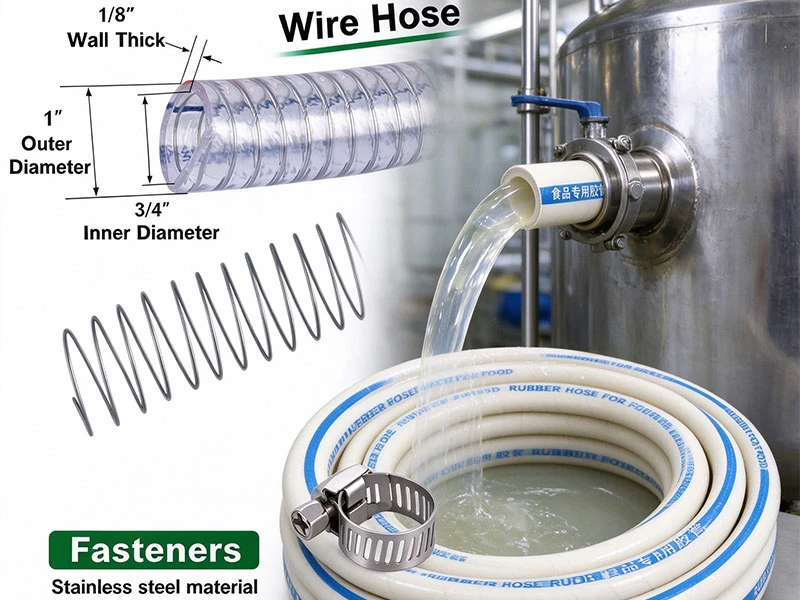
Beer lines are typically manufactured using food-grade materials, with the most common choices being PVC (polyvinyl chloride) or vinyl tubing. These materials are preferred for beer lines due to their durability, flexibility, and resistance to corrosion.

Cornelius Keg
 

PVC (polyvinyl chloride)

PVC tubing is a popular choice for beer lines due to its affordability and versatility. It is strong, durable, and resistant to abrasion, making it suitable for long-term use in beer dispensing systems. PVC tubing also offers good flexibility, allowing for easy installation and routing around corners or obstacles.

Cornelius Keg
 

Vinyl tubing

Vinyl tubing is another common material used in beer lines. It is similar to PVC tubing but is often more flexible and lightweight. Vinyl tubing is easy to work with and can be easily cut to the desired length without the need for specialized tools. It is also resistant to corrosion and chemicals, ensuring that it maintains its integrity when in contact with beer and cleaning solutions.

Both PVC and vinyl tubing are approved for use with food and beverages, making them safe for transporting beer from the keg to the tap. Additionally, these materials are compatible with the cleaning and sanitizing solutions commonly used to maintain beer lines, ensuring proper hygiene and sanitation. PVC and vinyl tubing are the preferred choices for manufacturing beer lines due to their durability, flexibility, and food-grade properties, ensuring the safe and efficient dispensing of draft beer in bars, pubs, and other establishments.


Is a Beer Line the Same as a Beer Hose


Beer lines or hoses are essential components of any draft beer system, ensuring the safe and efficient transport of beer while maintaining its quality and freshness. They come in various lengths and diameters to accommodate different installation configurations and flow rates, providing flexibility in design and setup. Whether referred to as a beer line or a beer hose, this tubing serves the same purpose within the draft beer system, connecting the keg to the tap to deliver perfectly poured beers to patrons in bars, pubs, restaurants, and other establishments.


How Long Should a Beer Line Be for Optimal Dispensing


Balancing system: The primary goal when determining the length of the beer line is to achieve a balanced system, where the pressure, temperature, and flow rate are properly aligned to ensure the beer is dispensed smoothly without excessive foam or carbonation.


Resistance factors: Factors such as the frictional resistance within the beer line, the height differential between the keg and the tap, and the type of faucet or tap used can all affect the overall resistance in the system and thus influence the required length of the beer line.


Temperature and carbonation: Warmer temperatures and higher carbonation levels generally require shorter beer lines to prevent excessive foaming, while colder temperatures and lower carbonation levels may necessitate longer beer lines to maintain proper flow rates.


Test and adjust: Ultimately, the optimal length of the beer line may need to be determined through trial and error, with adjustments made based on real-world dispensing performance. This may involve experimenting with different line lengths and observing the pour quality and foam levels to achieve the desired results.


How Do You Attach a Beer Line to a Beer Faucet


Ensure that the beer faucet is clean and free of any debris. Also, ensure that the beer line is cut to the desired length and that the end is clean and free of any obstructions.


Insert the hose nipple: Take the hose nipple (also known as a tailpiece) and insert it into the end of the beer line. The hose nipple should be sized to fit snugly inside the beer line tubing.


Attach the hex nut: Slide the hex nut onto the beer line, threading it onto the hose nipple. The hex nut will secure the beer line to the faucet.


Insert the beer line washer: Before attaching the beer line to the faucet, place a beer line washer over the threaded end of the hose nipple. The washer helps create a tight seal and prevents leaks.


Attach to the faucet: With the hex nut and washer in place, insert the threaded end of the hose nipple into the beer faucet. Turn the hex nut clockwise to tighten it onto the faucet, ensuring a secure connection.


Tighten securely: Use a wrench or pliers to tighten the hex nut securely onto the faucet. Be careful not to overtighten, as this can damage the faucet or cause leaks.


Test for leaks: Once the beer line is attached to the faucet, turn on the beer tap to test for leaks. Check for any drips or seepage around the connection point and tighten as needed to eliminate any leaks.


Secure the beer line: Finally, use zip ties or clamps to secure the beer line to the faucet or the draft beer tower, ensuring that it is properly supported and does not kink or sag.


What Pressure Is Required for a Beer Line to Work Properly
 

The pressure required for a beer line to work properly depends on several factors, including the type of beer being dispensed, the temperature of the beer, the length and diameter of the beer line, and the height difference between the keg and the faucet. However, a general guideline for dispensing draft beer is to maintain a pressure range of 10-14 pounds per square inch (psi) at the keg.

Beer type and carbonation level: Different beer styles and brands may require different carbonation levels, which can affect the pressure needed to dispense the beer properly. Higher carbonation levels typically require higher dispensing pressures to maintain proper carbonation in the beer.


Temperature: Warmer temperatures can cause beer to become more carbonated, leading to increased pressure requirements for dispensing. Conversely, colder temperatures may require lower dispensing pressures to prevent over-carbonation and excessive foam.


Beer line length and diameter: Longer beer lines and smaller diameter lines create more resistance to flow, requiring higher pressure to push the beer through the system. Conversely, shorter lines and larger diameter lines offer less resistance and may require lower dispensing pressures.


Height difference: If the keg is located below the faucet, gravity can assist in dispensing the beer, reducing the pressure needed. However, if the keg is located above the faucet (such as in a tall draft beer tower), higher pressure may be required to overcome the resistance caused by the height difference.

It's important to note that the ideal dispensing pressure may vary depending on the specific setup of the draft beer system and may require some trial and error to achieve optimal results. Additionally, regular monitoring and adjustment of dispensing pressure may be necessary to ensure consistent pour quality and minimize waste or foaming issues.


How Do You Prevent Foam Buildup in a Beer Line
 

Proper temperature control: Ensure that the beer is stored and served at the correct temperature. Beer dispensed at temperatures that are too warm can lead to excessive foaming. Keep beer refrigerated at the appropriate temperature recommended for the specific beer style.

01/

Optimal carbonation levels: Check and adjust the carbonation levels of the beer to ensure they are within the recommended range for the beer style. Over-carbonated beer can result in excessive foaming when dispensed.

02/

Correct dispensing pressure: Maintain the proper dispensing pressure in the beer line. Too much pressure can cause the beer to be dispensed too quickly, resulting in foaming. Conversely, too little pressure can cause the beer to trickle out, leading to agitation and foam buildup.

03/

Clean beer lines: Regularly clean and maintain the beer lines to prevent the buildup of yeast, bacteria, and other contaminants that can contribute to foam. Use a beer line cleaning solution and follow a recommended cleaning schedule to keep the lines clean and free from obstructions.

04/

Proper line length and diameter: Ensure that the beer lines are the appropriate length and diameter for the specific draft beer system. Longer lines or lines with smaller diameters create more resistance, which can lead to foaming. Adjust the line length and diameter as needed to minimize resistance and optimize flow.

05/

Smooth pouring technique: Train staff to pour beer with a smooth, controlled motion to minimize agitation and foam formation. Tilt the glass at an angle and pour the beer slowly down the side of the glass to reduce turbulence and foam buildup.

06/

Use clean glassware: Ensure that beer is poured into clean, dry glassware to prevent contamination and excessive foaming. Dirty or wet glassware can cause nucleation points that lead to foam formation.


Beer Hose Size and Length

The three basic types of beer hoses are:
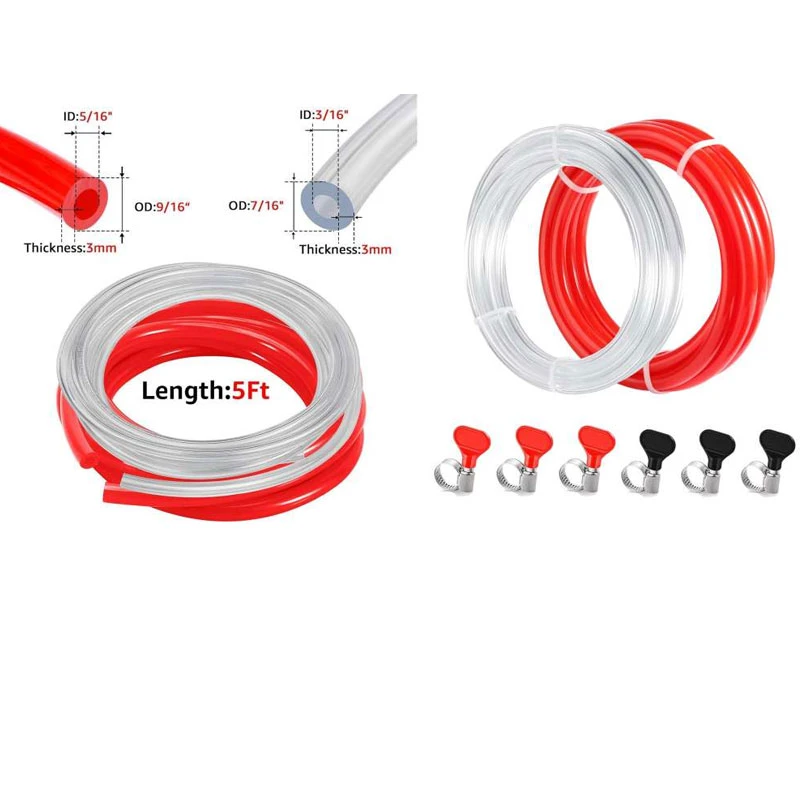
3/16 inch beer line - The most common type
5/16 inch beer line - Can be often found in commercial systems
1/4 inch beer line - Most commonly found in homebrew systems


✓ 3/16 inch beer line

This type of line is somewhat narrow and needs to be the right length - from 5-6 feet for most beers or 7 feet for beers like Coors Light. The reason for that is that the beer needs to be kept under restriction because this way the CO2 is forced to stay in the solution and you don’t get any foam. We recommend getting a clear beer hose instead of a colored one - this will help you to see if it needs to be changed due to the presence of sediment or if there’s any foam buildup.


✓ 5/16 inch beer line

This type of beer lines is used exclusively with CO2 - it’s the same line that hooks up to the bottom of a CO2 regulator and also the one that goes to the side of the keg coupler. 5/16 inch beer lines can be any length that you want as long as it’s long enough for you to change your CO2 tank but not too long because it may start to kink.


✓ 1/4 inch beer line

The reason this type of beer lines can be mostly found in homebrew systems is that if you attach a Corny keg fitting with a standard barb, it will fit perfectly. You can use ¼ beer hose for both home-brewed beer and your homebrew CO2 line.


How Do I Choose the Right Diameter for a Beer Line
01.

Calculate required flow rate

Calculate the required flow rate based on the serving temperature, pressure, and desired carbonation level. Higher flow rates generally require larger diameter lines to reduce resistance.

02.

Account for line length and height difference

Longer beer lines and greater height differences between the keg and the tap require larger diameter lines to maintain adequate flow and minimize resistance.

03.

Consider line material

Different materials have different resistance properties. For example, vinyl lines have higher resistance than stainless steel lines of the same diameter. Consider the material's impact on flow rate when choosing the diameter.

04.

Test and adjust

Install the beer line and test it with water or a sacrificial keg to ensure the desired flow rate and minimal foaming. Adjust the diameter if necessary to achieve optimal performance.


How to Store Beer Line


1

Clean thoroughly before storage: Before storing beer lines, ensure they are thoroughly cleaned using a cleaning solution appropriate for beer lines. Rinse them well with clean water to remove any residue.

2

Sanitize: After cleaning, sanitize the beer lines using a food-grade sanitizer to kill any remaining bacteria or yeast. This helps prevent contamination during storage.

3

Dry completely: Allow the beer lines to dry completely before storing them. Moisture left in the lines can promote the growth of mold and bacteria, leading to contamination.

4

Coil neatly: Coil the beer lines neatly to prevent kinks or bends that could restrict flow or cause damage. Avoid sharp bends that could deform the tubing.

5

Protect from dust and debris: Place the coiled beer lines in a clean, dry storage container or bag to protect them from dust, debris, and pests. Seal the container or bag securely to keep contaminants out.

6

Store in a cool, dry place: Store the beer lines in a cool, dry place away from direct sunlight and extreme temperatures. Excessive heat or cold can degrade the tubing material over time.

7

Regular inspection: Periodically inspect stored beer lines for any signs of damage, mold, or contamination. Replace any damaged or compromised lines before use.


Our Certificate


The quality of Pera products is at the leading level both at home and abroad, which is stable and reliable.

productcate-1-1
productcate-1-1
productcate-1-1
productcate-1-1
productcate-1-1
productcate-1-1


Ultimate FAQ Guide to Beer Line


Q: What is a beer line?

A: A beer line is a tubing system used to transport beer from kegs or storage tanks to dispensing taps.

Q: How does a beer line work?

A: Beer lines work through a combination of gravity and pressure to deliver beer from the keg to the tap, ensuring a consistent flow.

Q: What materials are beer lines typically made of?

A: Beer lines are commonly made of food-grade materials such as PVC, vinyl, or stainless steel to maintain the quality and taste of the beer.

Q: How often should beer lines be cleaned?

A: Beer lines should be cleaned regularly, ideally every two weeks, to prevent the buildup of bacteria, yeast, and mold that can affect the taste of the beer.

Q: What is the purpose of cleaning beer lines?

A: Cleaning beer lines removes residue, bacteria, and yeast buildup, ensuring that the beer tastes fresh and maintains its quality.

Q: How do you clean beer lines?

A: Beer lines are typically cleaned using a cleaning solution circulated through the lines, followed by rinsing with water to remove any remaining residue.

Q: What is a beer line cleaning kit?

A: A beer line cleaning kit contains the necessary equipment and cleaning solution to effectively clean beer lines, ensuring the quality of the beer remains high.

Q: How long does it take to clean beer lines?

A: The time it takes to clean beer lines depends on the length and complexity of the system, but it usually takes around 30 minutes to an hour.

Q: Why is it important to clean beer lines?

A: Cleaning beer lines is crucial to maintaining the quality and taste of the beer, as well as preventing contamination that could lead to health risks.

Q: What are the consequences of not cleaning beer lines?

A: Neglecting to clean beer lines can result in off-flavors, bacterial contamination, and a decrease in the overall quality of the beer.

Q: Can beer lines affect the taste of beer?

A: Yes, dirty or poorly maintained beer lines can introduce off-flavors and affect the taste and aroma of the beer.

Q: How do you troubleshoot beer line problems?

A: Common beer line problems include foaming, off-flavors, and slow pours, which can often be resolved by cleaning the lines, adjusting pressure, or replacing worn components.

Q: How do you prevent beer lines from freezing?

A: Insulating beer lines and ensuring proper temperature control in the dispensing area can help prevent beer lines from freezing in cold weather.

Q: Can beer lines be customized for different types of beer?

A: Yes, beer lines can be customized with different lengths, diameters, and materials to accommodate various types of beer and dispensing setups.

Q: What is the ideal temperature for beer lines?

A: The ideal temperature for beer lines is typically between 36°F to 38°F (2°C to 3°C), ensuring that the beer remains cold and refreshing.

Q: How do you calculate the length of beer lines?

A: The length of beer lines is determined by factors such as the height difference between the keg and the tap, the type of beer being dispensed, and the desired flow rate.

Q: Can beer lines be used for other beverages?

A: While beer lines are designed specifically for dispensing beer, they can also be used for other carbonated beverages such as cider or soda.

Q: What is a glycol beer line system?

A: A glycol beer line system uses a mixture of glycol and water to chill beer lines, allowing for longer runs and maintaining the temperature of the beer from keg to tap.

Q: How do you maintain a glycol beer line system?

A: Maintaining a glycol beer line system involves regular inspection, cleaning, and monitoring of glycol levels to ensure optimal performance and temperature control.

Q: Can beer lines be installed outdoors?

A: Yes, beer lines can be installed outdoors, but precautions must be taken to protect them from exposure to extreme temperatures, sunlight, and physical damage.

We're well-known as one of the leading beer line manufacturers and suppliers in China. Please rest assured to wholesale high quality beer line at competitive price from our factory. For custom service, contact us now.

high line beer, polyethylene beer line, beer production line

(0/10)

clearall