Pet Preform

What is PET Preform

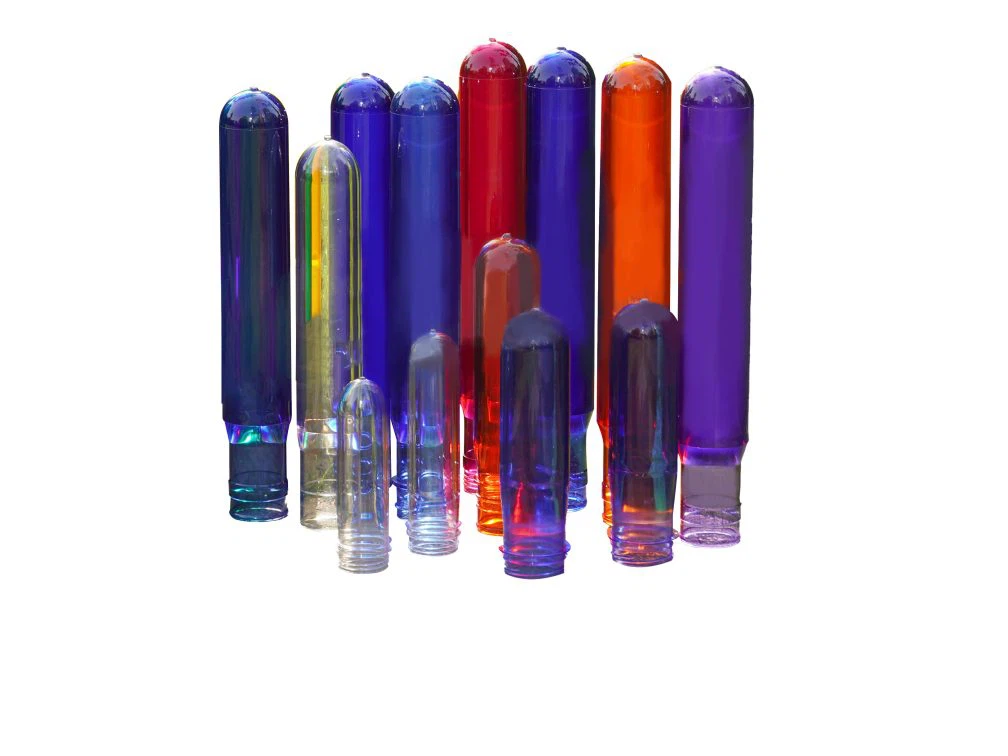
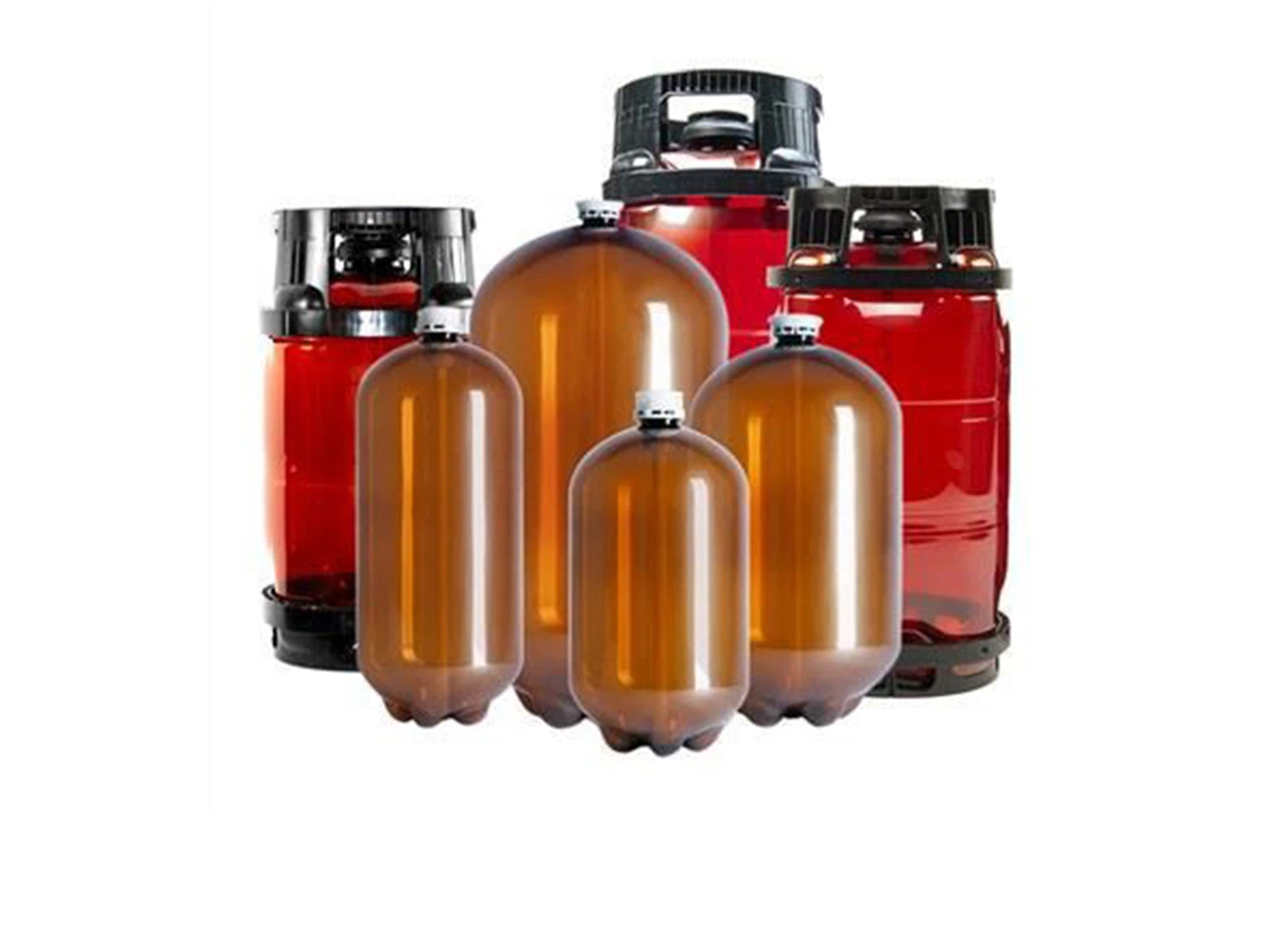
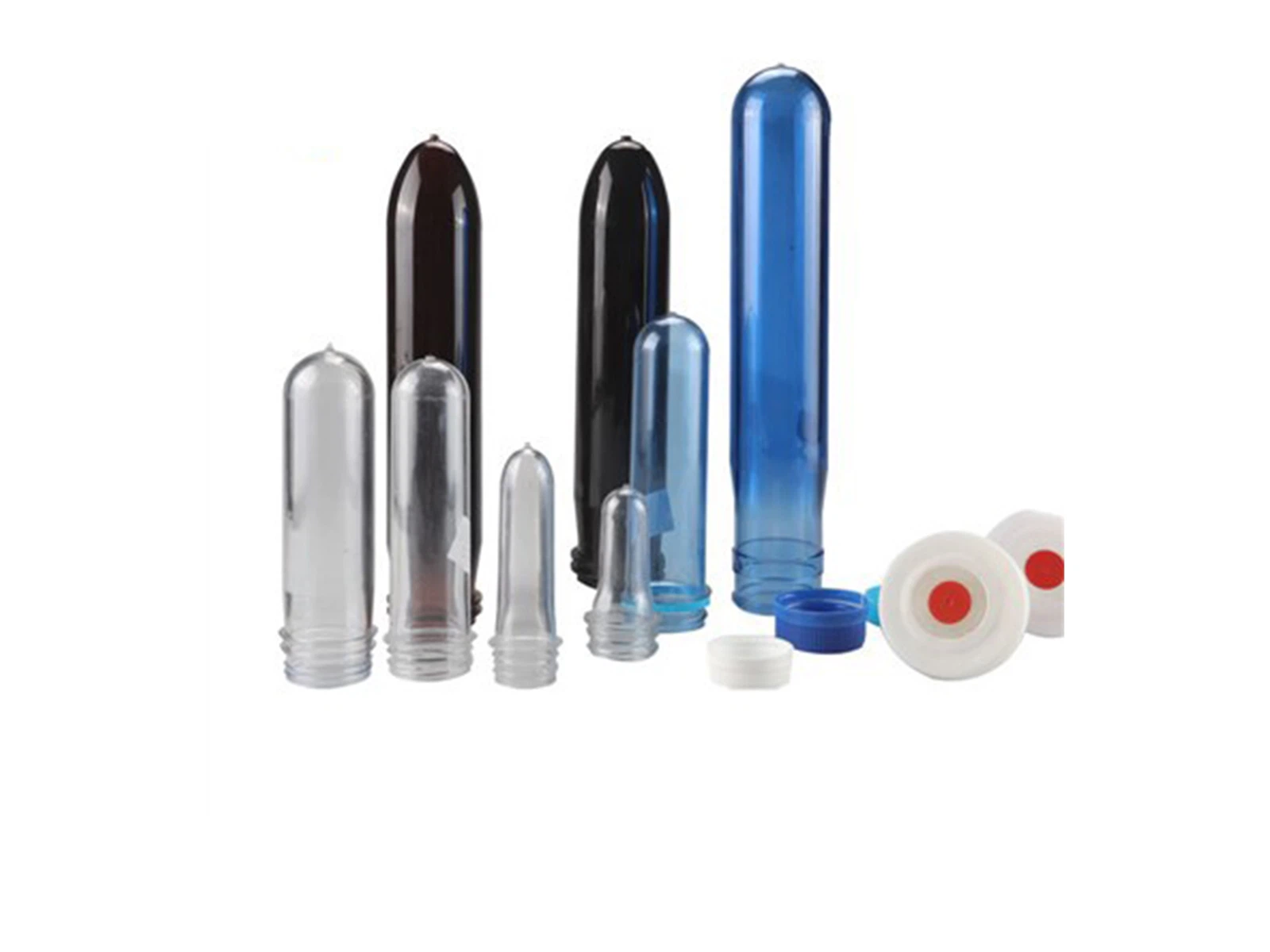
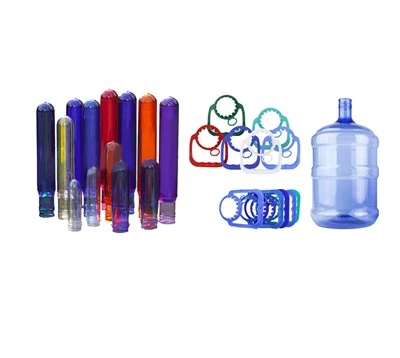
PET preforms are tubes that will give rise to containers made of this material. It is an intermediate product in the production chain, they are suitable for being blown to shape the final container, and they can vary in weight, color, and shape. To manufacture the PET preform, the granulated resin must first be heated until it has a smooth mixture that is injected into a mold and passed through a cooling system to harden them, the walls are thick because this form is still incomplete, it must pass by blowing, which will give rise to a bottle. High-quality PET preforms for carbonated and non-carbonated beverages, food and household products. Petainer preforms come in a variety of neck finishes, weights, colours and shapes. Although most of our preforms are made from 100% virgin PET resin, we can supply preforms with up to 100% post-consumer recycled PET (rPET) by request.


Advantages of PET Preform


Cost effectiveness

Broadly, PET containers, when compared to their counterparts, offer exceptional cost-effectiveness without compromising on quality. Customers are drawn to these containers due to their ability to mirror the qualities of other materials while being more economical.

Ease of storage

Preforms, compact and space-efficient, are easily stored and managed. Unlike fragile plastic bottles, preforms can be organized within racks or storage systems, ensuring the safety and integrity of their contents ahead of being blown into various molds. Utilizing PET Preforms can help reduce costs on everything from storage to shipping & logistics and help save on precious warehouse space.

Sustainability and lower environmental impact

As the world gravitates towards sustainable practices, PET preforms play a pivotal role. Their lightweight design contributes to reducing environmental impact, benefiting companies through lower costs. Because PET preforms are created to a specific weight, it is easier for suppliers and brands to lightweight their packaging to make progress towards specific sustainability targets.

Differentiation

There is a near endless possibility of bottles that can be made through PET Preforms. Once a preforms’ neck diameter and weight are selected, molds can then be customized for all different shapes and sizes that can be used across various consumable/non-consumable categories.

productcate-1008-756
TJ037D005
productcate-4032-3024

TJ037D001

productcate-4032-3024

TJ037D017

productcate-1008-756

TJ037D027

productcate-4032-3024

TJ037D004

productcate-4032-3024

TJ037D003

productcate-4032-3024

TJ037D032

productcate-4032-3024

TJ037D016


Why Choose US

One-stop solution
With rich experience and one-to-one service,we can help you choose products and answer technical questions.


Customization services
They provide customization services to meet specific customer requirements, ensuring that clients receive products that exactly fit their needs.


Innovation
We are dedicated to improving our systems continually, ensuring that the technology we offer is always cutting edge.


24h online service
We try and respond to all concerns within 24 hours and our teams are always at your disposal in case of any emergencies.

PET Preforms


The Working Principle of Pet Preform Making Machine

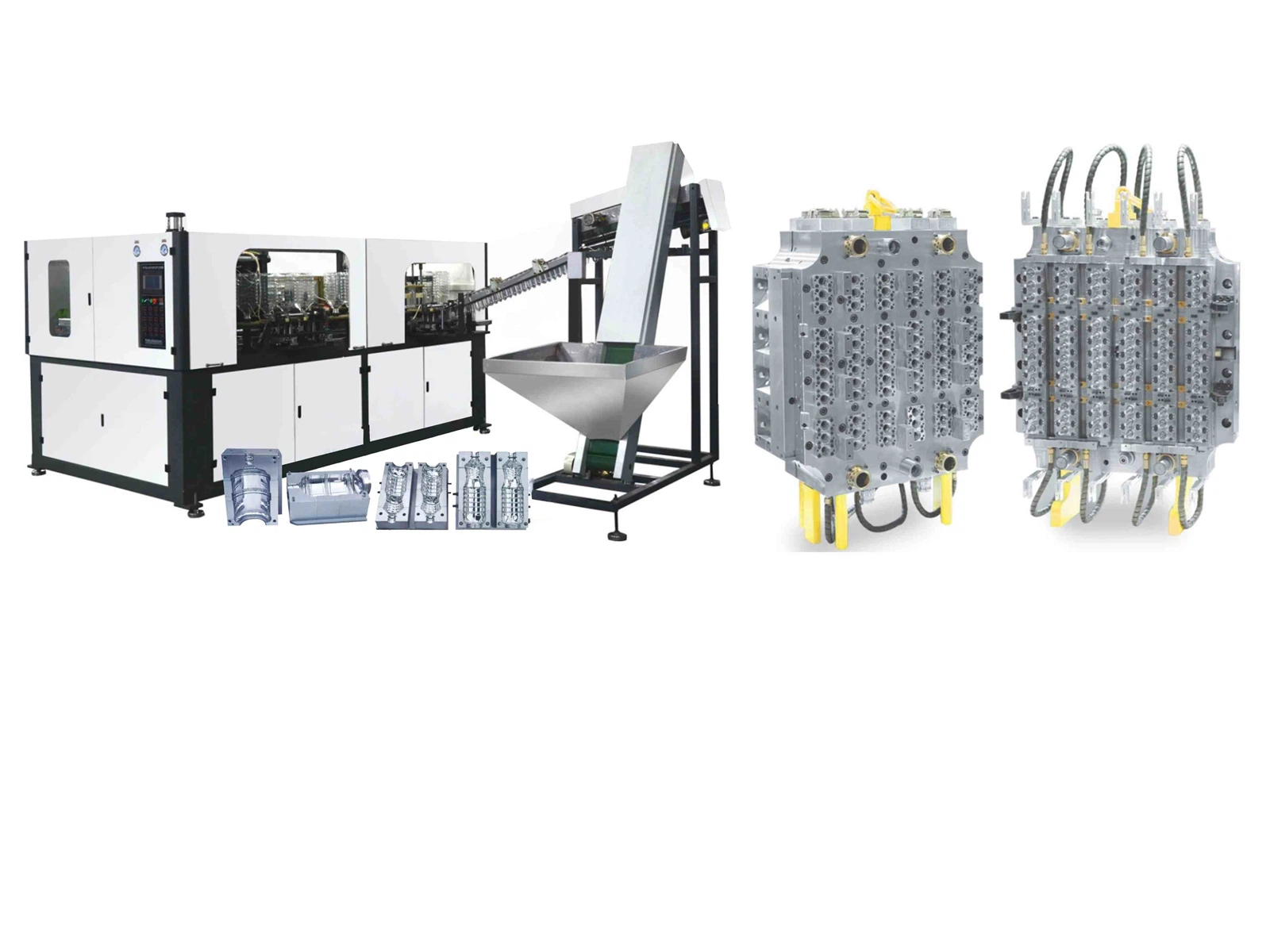
The working principle of PET preform making machine is mainly to use the extruder to heat the PET raw material to a certain temperature and extrude it into a billet, and then cool the raw material in the mold to shape it. Specifically, the workflow of the pet preform making machine is as follows:

01.

Pretreatment of PET raw materials

PET raw materials are usually stored in the form of granules or flakes, and need to be dried and transported through pretreatment equipment to ensure the dryness and uniformity of the raw materials.

02.

Melting of PET raw materials

Put the pretreated PET raw materials into the extruder, heat and melt to make the PET raw materials reach a certain fluidity and extrudability.

03.

Extrusion of PET raw materials

Extrude the melted PET raw materials through a die to form a billet. The specific extrusion method can be continuous extrusion or intermittent extrusion.

04.

Cooling molding of PET blank raw materials

Send the extruded PET blank raw materials into the cooling mold for cooling and molding to complete the manufacture of PET bottle blanks.


Advantages of PET Preform Making Machine


PET preform making machine has the following advantages:

 
High production efficiency

The pet preform manufacturing machine has high production efficiency, and can quickly process PET raw materials into pet preforms, greatly improving production efficiency and production capacity.

 
Stable product quality

The precise operation of the pet preform manufacturing machine can control the temperature and fluidity of PET raw materials, thereby ensuring the quality stability and consistency of the product.

 
Low production cost

The cost of the PET bottle preform making machine is relatively low, and no additional molding and processing procedures are required in the production process, thereby reducing the production cost.

 
Environmental protection and energy saving

No harmful substances are used in the production process of the pet preform making machine, and its energy saving effect is also very significant, which can greatly reduce energy consumption and environmental pollution.

 
Wide range of applications

The pet preforms produced by the pet preform manufacturing machine can be widely used in food, beverage, cosmetics and other industries, and can meet the needs of different industries.


Application Scenarios of PET Preform Making Machine

The application scenarios of the pet preform manufacturing machine are very extensive, mainly including the following aspects:

Food industry

The pet preform produced by the pet preform manufacturing machine can be used as food packaging, such as bottled beverage, bottled oil, bottled sauce, etc.

01

Beverage industry

The pet preform produced by the pet preform manufacturing machine can be used as beverage packaging, such as bottled water, bottled juice, bottled tea, etc.

02

Cosmetics industry

The pet preform produced by the pet preform manufacturing machine can be used as cosmetic packaging, such as bottled perfume, bottled shampoo, bottled shower gel, etc.

03

Pharmaceutical industry

The pet preform produced by the pet preform manufacturing machine can be used as pharmaceutical packaging, such as bottled oral medicine, bottled injection, etc.

04


Key Considerations for PET Preforms


PET Preforms for bottle manufacturing involves several key considerations to ensure the quality, efficiency, and environmental impact of the final products. The design phase of the Preform significantly impacts various aspects of the final bottle and its production process. Factors like the general quality of the container, wall and bottom thickness, weight reduction, neck width, size, and appearance of the thread all depend on the preform design. Achieving a balance between reducing bottle thickness for material savings and ensuring structural strength is crucial. We recommend also paying close attention to the preform neck diameter, as this will ultimately dictate the closures required for the PET bottle.


PET Production Process


Storage – You need to understand that the PET Preform is produced from a virgin material (Polymer) as a raw material. You need to have the polymer transported and stored in a place, say, your company, where you are going to use it. You can store the polymer in silos and release it depending on the quantity of the preform you are producing.


PET Drying – Sometimes the virgin material/polymer is milky white, and in this case, you need to have it dried. Here, you need either a standard hopper or an insulted hopper dryer. Have the virgin material dried at a temperature range of 150°C to 170°C for a period of 4-6 hours. However, the drying period will depend on the moisture content of the virgin material.


At other times, the virgin material may be transparent. In this case, you only need to employ 2-stage drying; on the first stage, use a crystallizer to make sure that the virgin material does not form clumps during the drying process. In the second stage, you need to employ a hopper dryer.


At this stage, you can also employ the services of a dehumidifier (Optional) as it reduces the drying period.


Conveying – After drying, your virgin material is now ready for you to start the PET Production. Here you need to set your moulding machine at an output rate depending on your production capabilities. The rate of the moulding machine operation is measured in output per hour.


Plasticizing the PET Material – After drying and conveying the virgin material into the injection chamber, you now need to turn the material into a molten state. You can achieve this by heating the virgin material in the chamber at a temperature of about 285°C. At this stage, the PET virgin material will transform from granules (Solid-state) to a molten form (Liquid State). It is at this moment that you determine the colour of the preform you are going to realize by adding the colourant of your choice. You can do this by passing the granules through a pre-mixer so that they can be mixed with the colourant.


Moulding by Injection - At this point, we have the PET in the molten form and using a rotating screw as a conveyer, you need to have the cavity installed on the mould. The mould takes the shape of the preform that you want.


Cooling – After the molten PET settles in the cavities, it's now time to cool them so that they can change into a solid-state. Here you can use a water chiller. To make it cost-effective, you can connect the water chiller to the cooling tower.


If you are using a high-speed injection moulding machine, make sure your chiller has a powerful pump ranging from 0.5MPa and 0.6MPa.


Materials Used in PET Preform


Polyethylene (PE)
This is the most commonly used material in blow moulding for plastic bottles. It is a versatile and cost-effective material that can be easily molded into various shapes and sizes.


Polypropylene (PP)
PP is another popular material used in blow moulding for plastic bottles. It is known for its high strength, durability, and resistance to chemicals and heat.


Polyethylene terephthalate (PET)
PET is a lightweight and strong material that is commonly used for making water bottles, soda bottles, and other food and beverage containers.


Polyvinyl chloride (PVC)
PVC is a rigid and durable material that is commonly used in blow moulding for plastic bottles. It is often used for making bottles for household cleaning products and personal care products.


Polycarbonate (PC)
PC is a strong and transparent material that is commonly used for making bottles for juices, milk, and other beverages.


Acrylonitrile butadiene styrene (ABS)
ABS is a tough and impact-resistant material that is commonly used for making bottles for automotive and industrial applications.


High-density polyethylene (HDPE)
HDPE is a strong and lightweight material that is commonly used for making bottles for household and industrial chemicals, as well as for milk and other dairy products.


Low-density polyethylene (LDPE)
LDPE is a flexible and lightweight material that is commonly used for making squeeze bottles, shampoo bottles, and other personal care products.


Polystyrene (PS)
PS is a lightweight and rigid material that is commonly used for making bottles for cosmetics, pharmaceuticals, and other consumer products.


Polystyrene (PS)
PS is a lightweight and rigid material that is commonly used for making bottles for cosmetics, pharmaceuticals, and other consumer products.


How Does a Blow Moulding Machine for Plastic Bottle Differ from an Injection Moulding Machine


Process

The main difference between a blow moulding machine and an injection moulding machine is the process used to create the final product. In blow moulding, a hollow plastic tube or parison is inflated with compressed air to take the shape of the mould cavity, while in injection moulding, molten plastic is injected into a mould cavity under high pressure to form the desired shape.

01

Types of products

Blow moulding machines are primarily used for producing hollow plastic products such as bottles, containers, and tanks, while injection moulding machines are used for producing solid plastic products such as toys, household items, and automotive parts.

02

Mould design

The mould design for a blow moulding machine is different from that of an injection moulding machine. In blow moulding, the mould consists of two halves that come together to form the final shape, while in injection moulding, the mould has a single cavity or multiple cavities depending on the product design.

03

Material used

Blow moulding machines are designed to process thermoplastic materials such as polyethylene, polypropylene, and PVC, while injection moulding machines can process a wider range of materials including thermoplastics, thermosets, and elastomers.

04

Production speed

Blow moulding machines are generally slower than injection moulding machines as the process of inflating the parison and cooling the final product takes more time. Injection moulding machines can produce parts at a faster rate due to the high pressure and quick cooling process.

05


What Factors Should Be Considered When Choosing a Blow Moulding Machine for Plastic Bottle
 

Production capacity
The production capacity of the blow moulding machine should match the required output of plastic bottles. This includes the number of bottles produced per hour or per day.


Bottle size and shape
The machine should be able to produce the desired size and shape of plastic bottles. This includes the volume, diameter, and height of the bottles.


Material compatibility
The machine should be compatible with the type of plastic material used for the bottles. Different types of plastics require different processing temperatures and techniques.


Automation and control
The level of automation and control of the machine should be considered based on the production requirements. Fully automated machines offer higher efficiency and consistency in production.


Energy efficiency
The energy consumption of the machine should be considered to reduce production costs and minimize environmental impact.


Maintenance and service
The availability of spare parts and the ease of maintenance and service should be considered to ensure smooth operation and minimize downtime.


How Is the Quality of Plastic Bottles Produced by a Blow Moulding Machine Ensured
 

Quality control during material selection

The first step in ensuring the quality of plastic bottles produced by a blow moulding machine is to carefully select the raw materials. The plastic resin used for blow moulding should be of high quality and meet the required specifications for the type of bottle being produced.


Proper machine set-up

The blow moulding machine should be set up properly according to the specifications of the bottle being produced. This includes setting the correct temperature, pressure, and speed for the machine to ensure consistent and high-quality production.


Regular maintenance and calibration

The blow moulding machine should be regularly maintained and calibrated to ensure that it is functioning properly. This includes checking and replacing any worn or damaged parts, as well as calibrating the machine to ensure accurate production.


Quality control during production

During the production process, quality control checks should be performed at regular intervals to ensure that the bottles being produced meet the required specifications. This can include checking for defects, such as thin walls or air bubbles, and making adjustments to the machine if necessary.


Inspection of finished products

Once the bottles are produced, they should be inspected for any defects or imperfections. This can be done manually or with the use of automated inspection systems. Any defective bottles should be removed from the production line to maintain the overall quality of the batch.


Testing for strength and durability

Plastic bottles produced by a blow moulding machine should also undergo testing to ensure their strength and durability. This can include drop tests, pressure tests, and other quality control measures to ensure that the bottles can withstand the intended use.


Storing and Handling PET Bottles Properly
 

Bottle storage conditions such as time, temperature, and humidity can have an effect on PET containers. The exposure and age of a sample can also affect the shrinkage, impact properties, and stress crack resistance of the container.

Storage time
PET bottles should be used in a First In, First Out system to limit the time stored. Long term storage should be accomplished using a sealed polyethylene plastic bag or lined drums, totes, bins, Gaylord containers, supersacks or seabulks. The plastic liner will help prevent dust and dirt from entering the bottles.


Storage temperature
Elevated storage temperatures (above 100°F/38°C) allow empty PET bottles to further shrink, mainly due to relaxation of the oriented and partially oriented regions of the bottle. Extreme temperature conditions (above

131°F/55°C) can cause severe distortion of the amorphous areas of the bottle, including the finish and neck. Moderate storage temperature should be provided to insure consistent bottle dimensions and properties.


Surface contamination
Storage area should be kept clean, dry, dust, odor, insect, and rodent free. The storage area should be approved for food storage. PET bottles should not be stored in direct sunlight. Aromatic materials such as spices, solvents, ink, cleaning supplies, and disinfectants should not be stored in the same area as PET bottles.


Shipping conditions
It is recommended when empty PET bottles are shipped to or through areas where outdoor temperatures may exceed 90℉/32℃ a temperature controlled container or trailer capable of maintaining a temperature of 80℉/27℃ or lower be used.


Our Certificate


The quality of Pera products is at the leading level both at home and abroad, which is stable and reliable.

productcate-1-1
productcate-1-1
productcate-1-1
productcate-1-1
productcate-1-1
productcate-1-1


FAQ


Q: What is a PET preform?

A: A PET preform is a small, cylindrical bottle that is made by injection molding. It is the precursor to a plastic bottle and is used in the blow-molding process to create larger containers.

Q: What materials are used to make PET preforms?

A: PET preforms are typically made from polyethylene terephthalate (PET), a strong and lightweight plastic material.

Q: What is the difference between an injection molded preform and an extruded preform?

A: Injection molded preforms are made through a process where molten material is injected into a mold to form the preform shape. Extruded preforms are made by pushing heated material through a die to form a continuous tube, which is then cut into preform shapes.

Q: How are PET preforms manufactured?

A: PET preforms are manufactured using an injection molding machine. The PET material is melted and injected into a mold cavity, where it cools and solidifies into the desired preform shape.

Q: What are the benefits of using PET preforms?

A: PET preforms offer several benefits, including durability, recyclability, and cost-effectiveness. They are also lightweight and can be easily customized in terms of size, shape, and color.

Q: What is the typical diameter range for PET preforms?

A: The typical diameter range for PET preforms is around 50mm to 90mm. However, this can vary depending on the desired final container size.

Q: What is the average weight of a PET preform?

A: The average weight of a PET preform can vary depending on its size and design, but it generally ranges from 8 to 20 grams.

Q: Can PET preforms be recycled?

A: Yes, PET preforms can be recycled. Recycled PET (rPET) is often used to make new preforms or other products, reducing waste and conserving resources.

Q: How do you store PET preforms?

A: PET preforms should be stored in a clean, dry place away from direct sunlight and heat sources. They should also be kept in their original packaging to prevent contamination and damage.

Q: What is the shelf life of PET preforms?

A: PET preforms have a relatively long shelf life and can last for several months if stored properly. However, they may degrade over time due to exposure to oxygen and moisture, so it's important to use them before they expire.

Q: Can PET preforms be used with hot fill processes?

A: Yes, PET preforms can be used with hot fill processes, where the product is filled into the bottle while it is still hot. This requires special preforms that are designed to withstand higher temperatures without deforming.

Q: What are the advantages of using hot fill PET preforms?

A: Hot fill PET preforms allow for faster production times and reduced energy consumption compared to traditional cold fill processes. They also provide better barrier properties and can extend the shelf life of some products.

Q: What is the blow molding process for making PET bottles?

A: The blow molding process involves heating the PET preform until it becomes pliable, then inserting it into a mold cavity. Compressed air is then blown into the preform, causing it to expand and take the shape of the mold cavity. Once cooled, the bottle is removed from the mold.

Q: Can PET preforms be decorated before blow molding?

A: Yes, PET preforms can be decorated before blow molding using various techniques such as labeling, silk screening, or applying a heat transfer. This allows for customization of the final bottle design.

Q: What types of products are commonly packaged in PET bottles made from PET preforms?

A: PET bottles made from PET preforms are commonly used to package a wide range of products, including water, soft drinks, juices, beer, cosmetics, and cleaning agents.

Q: Are there any limitations to using PET preforms?

A: While PET preforms offer many benefits, there are some limitations to their use. They may not be suitable for packaging certain high-temperature products or those that require a hermetic seal. Additionally, PET preforms are not biodegradable and can contribute to environmental pollution if not properly disposed of or recycled.

Q: How do I choose the right size and shape of PET preform for my application?

A: When choosing a PET preform for your application, consider factors such as the desired final container size and shape, the type of product being packaged, and any specific requirements for barrier properties or strength. It's also important to select a preform with appropriate neck finish specifications to ensure compatibility with filling equipment.

Q: What is the difference between single-stage and two-stage stretch blow molding?

A: Single-stage stretch blow molding involves heating and stretching the preform simultaneously within the mold cavity. Two-stage stretch blow molding involves first heating the preform and then stretching it before placing it into the mold cavity for further shaping. Both methods can produce high-quality PET bottles, but they have different production speeds and costs associated with them.

Q: Can PET preforms be sterilized?

A: Yes, PET preforms can be sterilized using methods such as gamma irradiation or hydrogen peroxide gas plasma treatment. This makes them suitable for packaging medical products or other applications where sterility is required.

Q: What are some common issues encountered when working with PET preforms?

A: Common issues encountered when working with PET preforms include deformation due to excessive heat or pressure, contamination from foreign particles, and inconsistencies in wall thickness or weight distribution. Proper storage and handling of the preforms can help minimize these issues.

We're well-known as one of the leading pet preform manufacturers and suppliers in China. Please rest assured to wholesale high quality pet preform at competitive price from our factory. For custom service, contact us now.

industrial pipe liquor dispenser, commercial beer tap system, cask tap

(0/10)

clearall