

TJ099A006


Pera Industry: Your Professional Homebrewing Product Manufacturer!
Pera Industry Shanghai Co., Ltd is one of the leading suppliers of beer set products and related products in China. We have established a new factory in Yuhuan City to produce beer taps, beer towers, beer kegs, keg couplers, PET kegs, brewing accessories, etc. Later, we reached cooperation with partners in Saudi Arabia, moved our headquarters to Shanghai in 2018, and established Pera Industry Shanghai Co., Ltd.
Our Advantages
Innovative Enterprise
35 years of production experience is our advantage and the source of our innovation strength. Some products have obtained utility model patent certificates and design patent certificates.
Rapid Manufacturing
A factory covering an area of 2,000 square meters, over 100 experienced employees, 24 sets of extrusion production lines and a number of CNC lathes means we can achieve high-volume production.
Consistent Product Quality
Our production process is scientific and stable, and the product quality is very reliable.
Expansive Market Reach
Our sales network currently covers more than 30 provinces and cities in China, and some products are exported to more than 150 countries in Europe, North America, South America, the Middle East, Africa, Southeast Asia, and other places.
TJ099B005
TJ020A011
TJ119A01
TJ081A009
TJ069A008

TJ052A052
TJ127A054
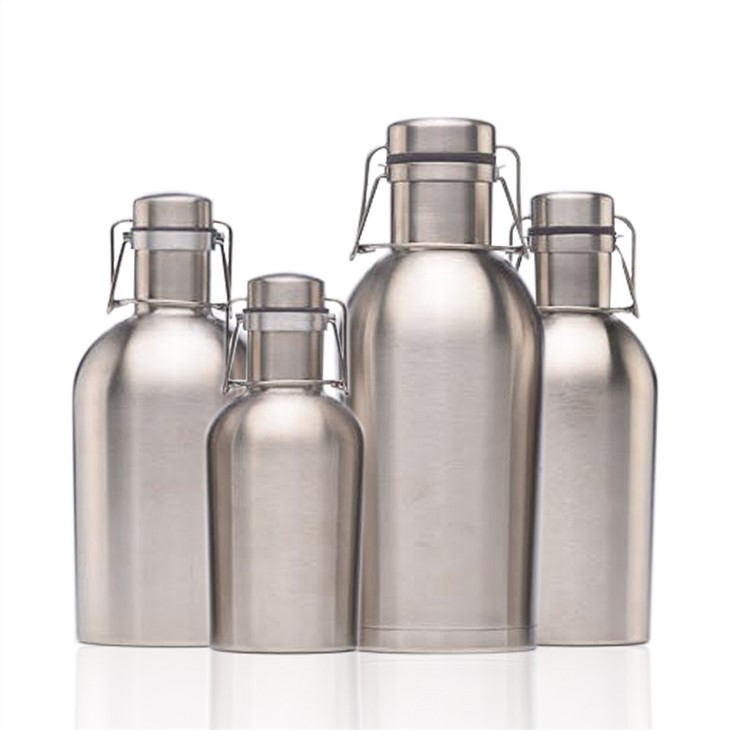
What are Homebrewing Products?
Homebrewing is the brewing of beer or other alcoholic beverages on a small scale for personal, non-commercial purposes. Supplies, such as kits and fermentation tanks, can be purchased locally at specialty stores or online.
Types of Homebrewing Products

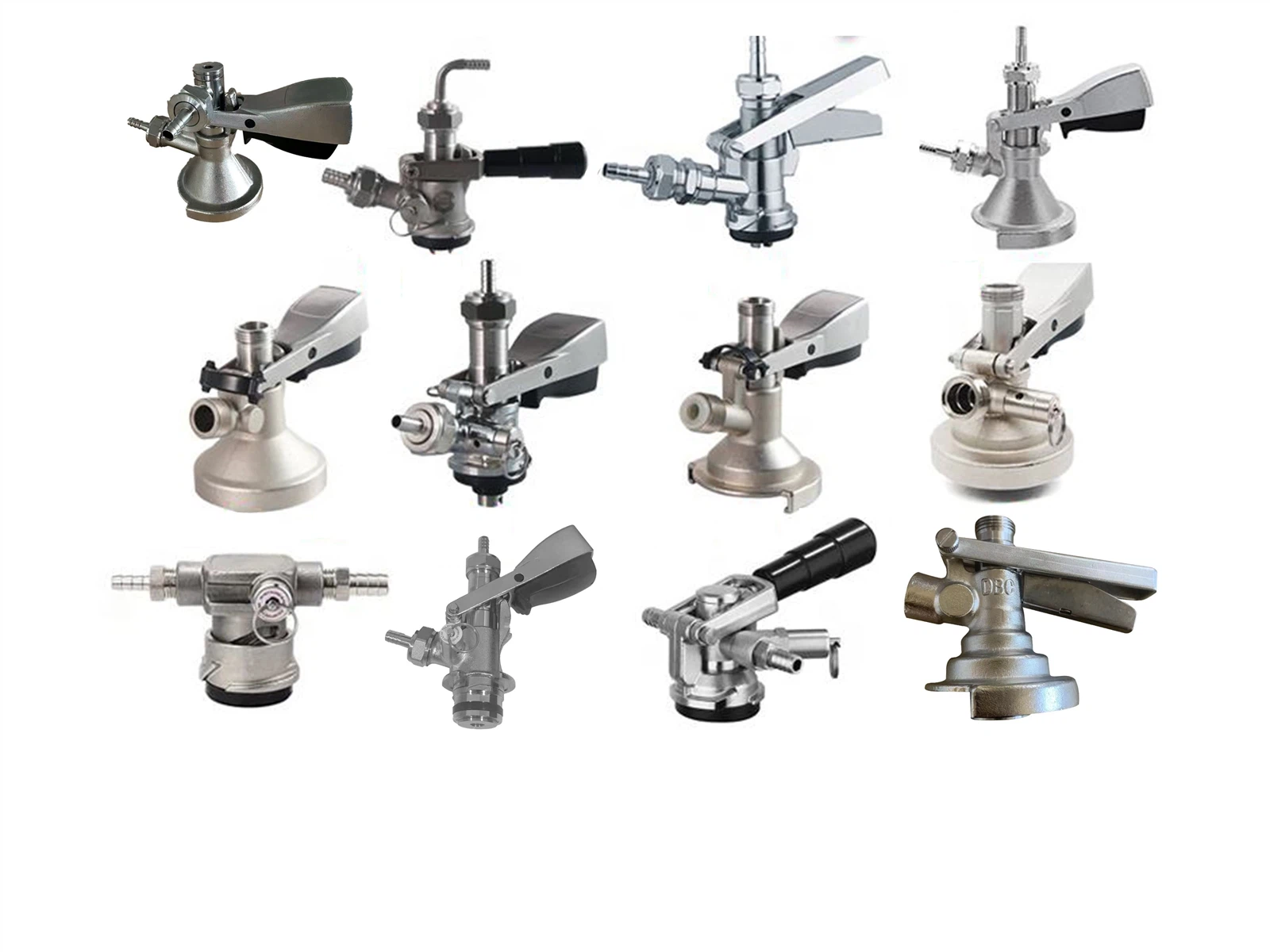
Keg Coupler
Your coupler attaches directly to the keg with an air-tight seal. The probe of the coupler pushes directly into the keg valve and acts as a critical junction point in your draft beer dispensing. The coupler has two ports: one for the air line to attach (so the gas gets pushed into the keg) and one for the beer line to attach (so the beer gets pushed out). Ensuring that your lines are connected tightly to those attachments is a quick thing to check if a given keg isn’t pouring the right way. There are six different types of keg couplers that attach to different types of kegs. The most widely used coupler is the US Sankey (D System), but it’s possible (perhaps even likely) that you’ll need at least one or two other styles of couplers for your dispensing.
Advantages
Efficient Dispensing: Keg couplers provide a direct connection between the keg and tap, ensuring that beer flows smoothly and efficiently. This reduces the chances of foaming and ensures that you serve the perfect pint every time.
Catering to Different Tastes: With a wide range of keg couplers available, you can easily switch between different types of beers to cater to your customers' tastes.
Ease of Use: Keg couplers are easy to install and use. They are also easy to clean, making them a hygienic choice for commercial settings.
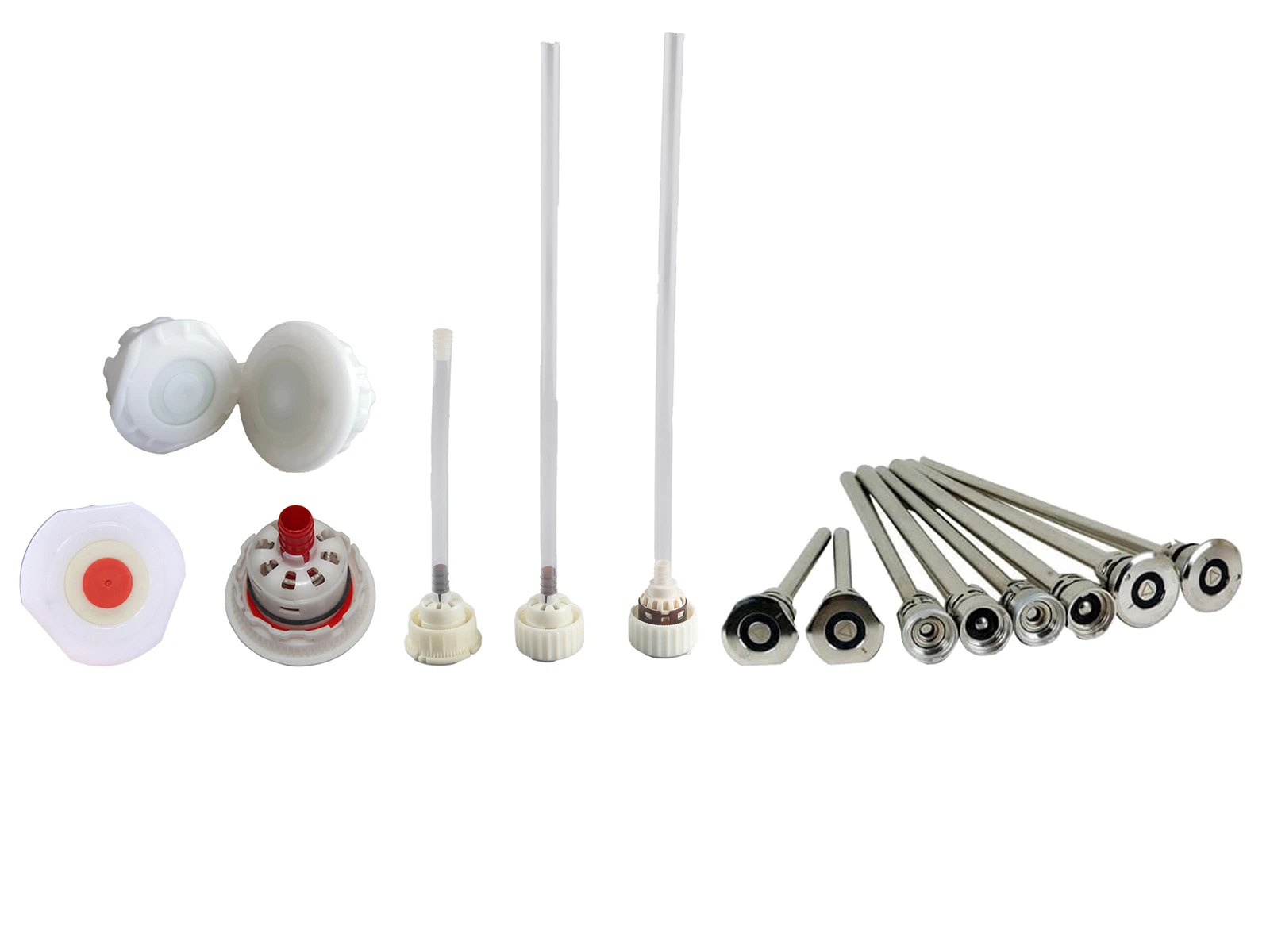
Keg Spear
Spear, a long and narrow metal draw tube that can be found in every modern beer keg. It reaches from the neck valve to within a half inch (1.25 cm) of the bottom of the keg. It allows gas under pressure to enter the keg and drive the beer to the tap. The beer flows up the spear and out of the coupler to the tap by way of a ball valve inside the neck body on the keg head (the top of the upright keg). When the tap is opened to pour the beer, the pressure inside the keg propels the beer. External gas, usually carbon dioxide, is regulated for a particular pressure level and replaces the depleted beer, maintaining a constant keg pressure until the keg is emptied. The spear is usually held in place by a clip or retaining ring. Both can be removed from the keg for cleaning. However, the spear should never be removed while the keg is under pressure because this can turn the spear into a dangerous projectile capable of causing serious injury.
Advantages
Hygienic
Keg spears are designed for cleanliness and hygiene. They have smooth surfaces and are easy to clean, preventing bacterial.
Controlled Pouring
Keg spears are designed to provide controlled pouring, allowing for precise measurement and a consistent pour. This helps maintain beverage quality and reduces wastage.


Regulator
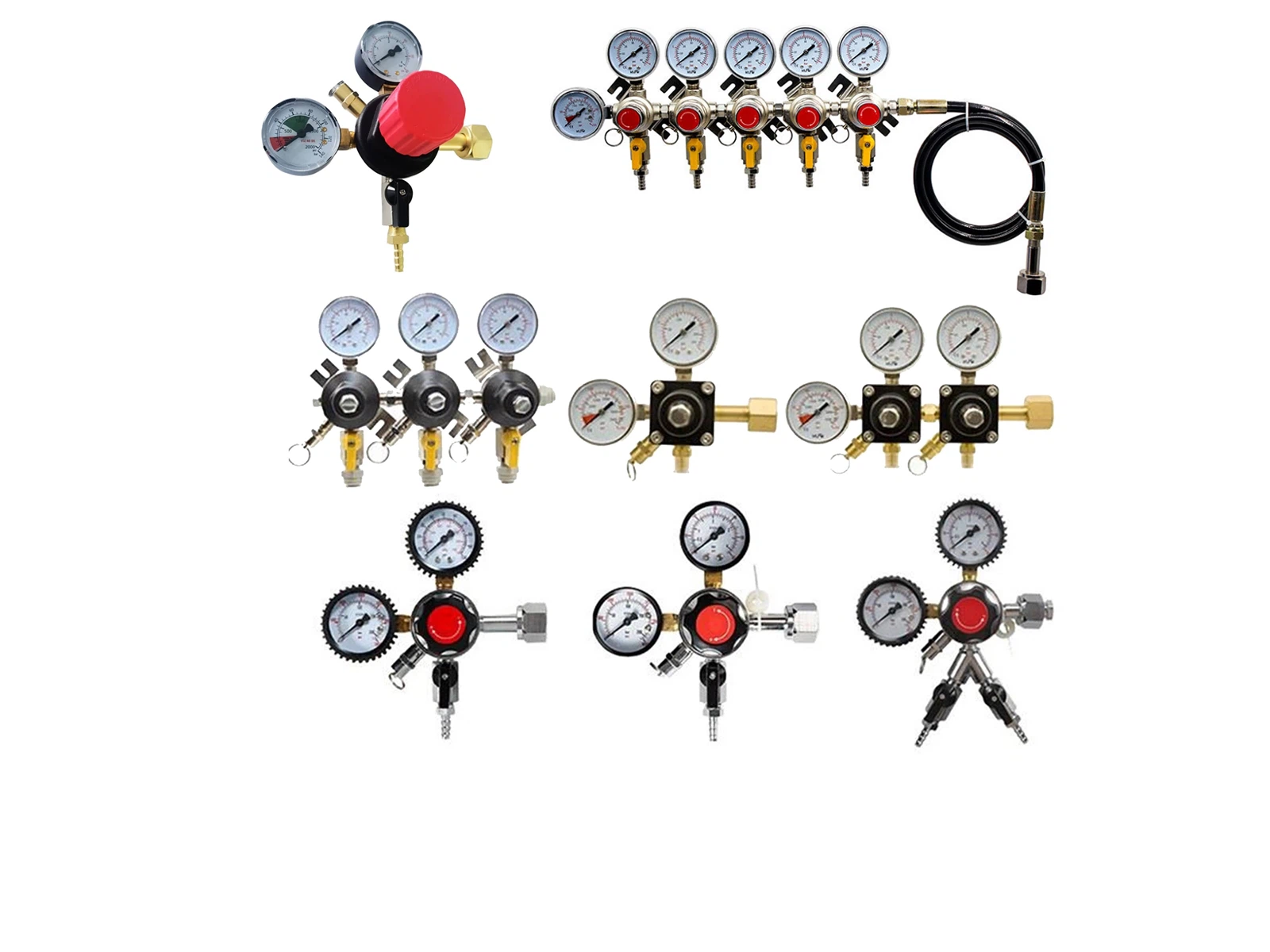
The contents of the gas inside your tank are under a tremendous amount of pressure. If you’re not careful about controlling this pressure, the beer dispensed will be a foamy mess that no one wants to drink. The regulator helps prevent this problem and ensures that your gas does its job. Typically, a primary regulator will have both a high-pressure and low-pressure gauge so you can quickly identify and troubleshoot any problems. When dispensing multiple kegs off of a single air tank, a secondary regulator helps ensure that each keg is dispensed at exactly the right pressure. The primary regulator attached directly to the tank is still necessary as a troubleshooting component at the point of dispense, but the secondary regulator allows for individual pressures. Similar to a gas blender, this helps you save space by not needing a separate tank at a separate pressure for each brew you want to dispense.
Advantages
Balancing CO2 Levels in Brewing
Maintaining the right carbon dioxide (CO2) levels is crucial in the world of brewing. Whether you're a homebrewer or a professional brewer, getting the balance right is essential for achieving the desired taste, mouthfeel, and carbonation in your beer. In this section, we will delve into the significance of balancing CO2 levels in brewing and explore some tips and case studies to help you master this art.
Achieving the Perfect Carbonation
Carbonation plays a vital role in beer, contributing to its flavor profile and overall drinking experience. Too much CO2 can result in an overly fizzy or "gassy" beer, while too little can leave it flat and lifeless. The perfect balance lies in finding the right amount of CO2 that complements the style of beer you're brewing.
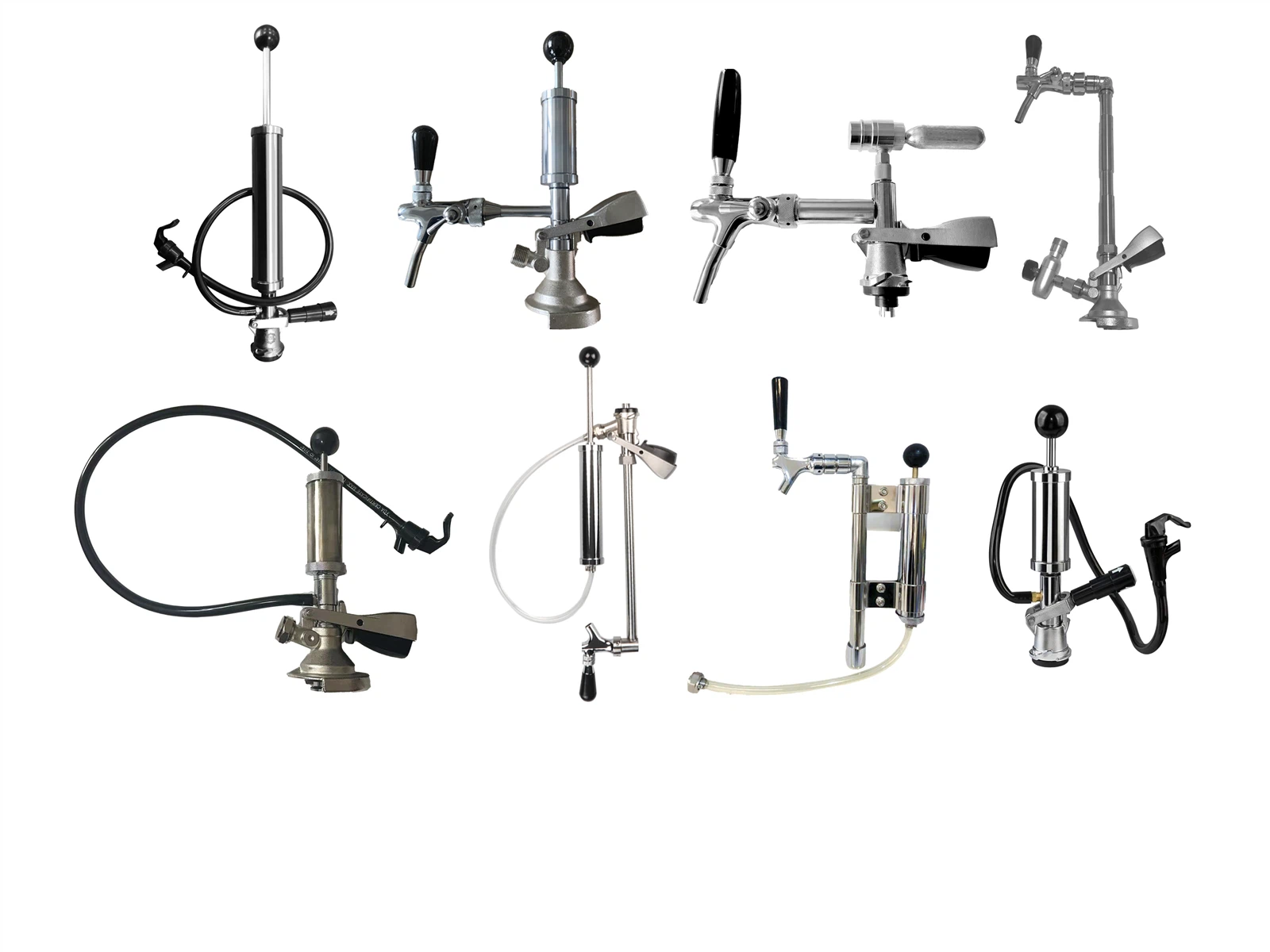
Keg Pump
A keg pump introduces oxygen into the keg, which causes a bacteria reaction that will make the beer go bad in 8-12 hours. If want the keg to last longer than a day, you should look into a CO2 dispense system. CO2 is an inert gas, so beer dispensed with it can last up to a few months.
Advantages
Keg Pressurisation
The product is equipped with hand pump for keg pressurizing.
Connection
Easy connection to any dispense head with 5/8" thread.
Mobility
Party pumps are mainly used where access to electricity is not possible or in places with low ambient temperature at which the beer does not need to be cooled.

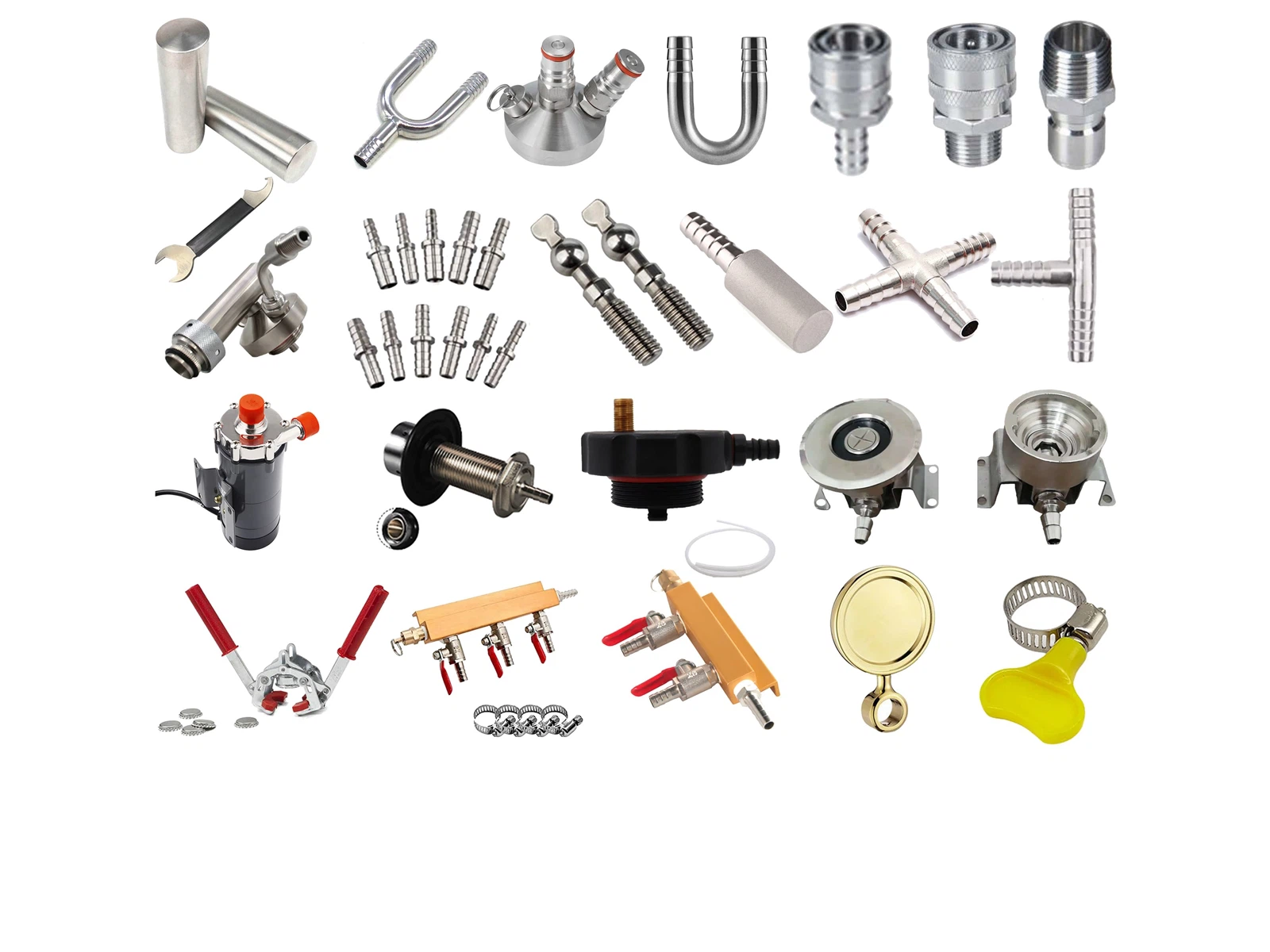
Parts Of Homebrewing Products
Keg Coupler
Check ball retainer
Check ball
Probe, D system
Probe seal
Body O-ring
Check valve
Gas hose nipple
Hex nut
Body washer
Pressure relief valve
Handle hinge pin
Handle assembly
Beer Regulator
Low Pressure Gauge
Reads the amount of applied pressure to the keg. This gauge is located at the 12 o’clock position on the regulator body.
01
High Pressure Gauge
Reads the amount of pressure in the cylinder. This gauge is located at the 9 o’clock position on the draft regulator body. For CO2 cylinders, once pointer is in the red, liquid gas is depleted and cylinder should be changed. For Nitrogen or blends, pointer will zero out, thus indicating empty cylinder.
02
Adjustment Screw
Beneath the tamper proof cap you can set the output pressure by turning the screw clockwise for greater pressure. To reduce pressure, turn screw counter-clockwise completely, vent and readjust clockwise to correct pressure.
03
Shutoff
Located at the 6 o’clock position on the regulator body is the output source. The shutoff allows the gas to be turned off at the regulator if the coupler has been removed.
04
Tank Connector and Nut
Attaches the regulator to the gas cylinder. These fittings are located at the 3 o’clock position on the regulator body. Due to high pressures in the cylinders and this connection is a common location for leaks; it is critical to securely fasten the connector nut using the correct washer.
05
Maintenance Tips for Homebrewing Products
Keg Coupler
Whenever you’re about to clean your keg coupler or replace one of its parts, first you need to disassemble it in a correct way. An important note before we start: safety is always a major priority when working with any kind of cleaning and/or caustic solution so remember to wear your rubber gloves and protective eyewear during the whole process. Normally, you would clean the parts of a keg coupler every two weeks by performing simple brush cleaning where it can even stay on the system. Depending on how much beer runs through your system, you might want to do the full cleaning once every 2 or 3 months taking the keg coupler apart and soaking the parts in a cleaning solution. It helps to sanitize the exterior of the coupler and get rid of all the nasty bacteria.

Beer Regulator

Store Upright
Your CO2 tank must be stored upright or it won't work properly. Storing the tank improperly can also cause expensive damage to your regulator.
Find the Magic Number
In general, most US produced ales and lagers should be dispensed at 10 to 12 PSI. Stout and other nitrogen dispensed keg beers are usually dispensed at 25 to 30 PSI. For the specific dispense pressure for a particular keg, check with the local distributor where the keg came from.
Our Certificate
The quality of Pera products is at the leading level both at home and abroad, which is stable and reliable.


Ultimate FAQ Guide to Homebrewing Products
Q: What types of keg couplers are available?
A: There are different styles of keg couplers available, each compatible with a specific type of beer. Some of the popular keg couplers include:
S-type coupler: Also known as European Sankey, it is commonly used for beers produced in Europe.
D-type coupler: Also known as American Sankey, it is the most common coupler in use. It is compatible with most American beers, as well as some international brands like Heineken.
A-type coupler: Also known as German Slider, it is used for beers produced in Germany, Austria, and Switzerland.
G-type coupler: Also known as Grundy, it is used for dispensing English ales and ciders.
Q: What is a keg coupler used for?
A: A keg coupler, also known as a keg tap connects the air line (the CO2 or Nitrogen tank) and the beer line to your keg so that everything flows properly. It uses the compressed air from the CO2 or nitrogen tank to push the beer out of your draft system and into your glass.
Q: What is the most common beer coupler?
A: The D System keg coupler, also known as the American Sankey, is the most common system available in the U.S. It is used by all the major breweries as well as most craft breweries.
Q: How often do I need to clean keg couplers?
A: In commercial environments, line cleaning should be performed at least once every two weeks. For home environments that may not cycle through as much beer and have a much shorter beer line, we recommend that you clean your lines every time you switch out a keg or every five weeks, whichever is shorter.
Q: Why is my keg coupler leaking?
A: If the leak is at the coupler connection. Tighten the connection with a wrench until snug. If the check valve in the couple is damaged replace the coupler. In a pinch, you can use a neoprene washer in place of the check valve but you will run the risk of cycling beer back into your gas line.
Q: What thread is a keg coupler?
A: Beer thread is the standard threading used on commercial keg couplers and beer faucet shanks. It is commonly measured as 29/32"-14 in the U.S. and 5/8" BSP in Europe and other parts of the world.
Q: How do I know if my keg regulator is bad?
A: You can check this by removing the tap from your keg and leaving it in the open position. Turn the control screw and see if you can decrease the volume of gas escaping from the tap. If you cannot change that flow, you will most likely need a new regulator or a rebuild job.
Q: What is the difference between S type and D type keg couplers?
A: In American couplers, it's short and broad while in the European ones it's skinny and long. If you try to hook up the S-type coupler to an American beer keg, you will most likely get a spray of beer in your face. Reverse that (D-type coupler connected to a European Sankey keg) then the beer won't pour at all.
Q: What is the role of CO2 regulators?
A: CO2 regulators are indispensable tools in achieving the desired carbonation levels in brewing. These devices allow brewers to precisely control the amount of CO2 entering the beer, ensuring consistency and repeatability. A primary regulator, such as the one offered by CO2 regulator, is particularly important as it regulates the pressure from the CO2 tank to the secondary regulators, which are responsible for controlling the carbonation levels in individual kegs or serving lines.
Q: How to balance CO2 levels?
A: To help you master the art of balancing CO2 levels in brewing, here are some valuable tips:
- Understand the Style: Different beer styles have different carbonation requirements. Familiarize yourself with the recommended carbonation levels for the style you are brewing to ensure you're on the right track.
- Temperature Matters: Carbonation levels are affected by temperature. Cooler temperatures can hold more CO2, while warmer temperatures release it. Take this into account when carbonating your beer and adjust accordingly.
- Test and Adjust: Don't be afraid to experiment and fine-tune your carbonation levels. Regularly sample your beer during the carbonation process and make adjustments as necessary. It may take a few tries to achieve the perfect balance, but the results will be worth it.
Q: What are the different types of CO2 regulators?
A: There are two primary types of CO2 regulators commonly used in brewing: primary regulators and secondary regulators. Primary regulators are connected directly to the CO2 tank and are responsible for controlling the overall pressure for carbonation. They are typically equipped with multiple output valves, allowing brewers to serve multiple beers at different carbonation levels simultaneously. Secondary regulators, on the other hand, are connected to the primary regulator and are used to fine-tune the pressure for individual beer lines. This enables brewers to serve different beers with varying carbonation levels from the same CO2 source. Secondary regulators are particularly useful for brewers who have a diverse lineup of beers or want to experiment with different carbonation levels.
Q: Do I need a regulator for each keg?
A: If you are dispensing two or more kegs from a single gas source, a secondary beer regulator may be required. That's because different beers often call for different dispensing pressures to maintain the carbonation level prescribed by the brewer.
Q: What types of Beer Regulator are there?
A: Primary CO2
The primary CO2 gas regulator is designed to decrease the gas cylinder’s high pressure to a lower, usable pressure for dispensing. This draft regulator can be used in a single pressure, single keg application or for servicing several secondary regulators downstream.
Primary Nitrogen
The primary Nitrogen regulator is designed to decrease the gas cylinder’s high pressure to a lower, usable pressure for wine dispensing or servicing a gas blender.
Secondary Regulators
Secondary gas regulators reduce pressure from a primary regulator or gas blender and then this lower pressure services each individual beer keg. An application would be for a system using CO2 gas dispensing products with different carbonation levels. The primary CO2 gas regulator is set between 35 - 45 PSI supplying two adjusted secondary draft regulators reducing individual pressures of 12 and 14 PSI for the respective kegs.
Q: How to troubleshoot a keg coupler?
A: Coupler Not Connecting Securely
If you're using the wrong coupler, you may notice that you're having to force the coupler to attach to the keg. The right-sized coupler should attach relatively easily. Be sure to match the beer you're using with our keg coupler list.
Beer Leaking from Top of the Keg
Seeing bubbles or foam leaking from the top of the keg means your coupler is not attached securely. Disengage the coupler by pulling the handle out then up, disconnect it from the keg and then try again. If attaching the coupler securely doesn’t fix the issue then be sure that your rubber check valve is attached properly. Many times, people throw this part out thinking that it is part of the packaging, but the rubber check valve is a critical part of your keg coupler. Also, having extra rubber washers on hand can aid in the proper attachment of the hex nut and tail piece to the lines, and can eliminate leaks when they reinforce attachments elsewhere in your system. Anytime two pieces of metal are coming in contact in your draft beer system, it's a good idea to use a rubber washer to attach them.
Missing or Damaged Parts
As with most components of a beer dispensing system, there are many small parts involved with a keg coupler. While removing them often for cleaning or maintenance is important, it can also lead to damaged or lost parts. One lost or damaged part can often make the difference between a perfect pour and a cloudy or foamy beer.
Coupler Not Fitting Inside Kegerator
The lines attached to a standard coupler sit as high as 5"-6" above the rim of the keg when tapped. If there’s not enough room above your keg to properly attach the coupler, then you’ll want to use a low-profile keg coupler. The barbs for the beer and air lines protrude horizontally instead of vertically so they take up less room when attached. This can reduce the increased height above your keg added by the coupler from around 5-6" to as little as 0.75-1.25".
Q: How to clean a keg spear?
A: The keg spear can be submerged into the near boiling water to heat sanitize it. The spear can be inverted to let water fill the spear and to ensure that the head is fully sanitized.
Q: What happens when it has got too much pressure?
A: Essentially, too much pressure turns your beer faucet into a foamy fire hose. The beer will come out very quickly and with incredible amounts of tight foam with large, airy bubbles. To fix this problem, simply adjust the regulator pressure to the proper lower level and draw off a few foamy pitchers to clear the lines or bleed off extra pressure using the relief valve on your coupler. Just remember that if the pressure is left too high for longer than 24 hours, CO2 will be forced into your brew resulting in a ruined keg of over-carbonated and excessively foamy beer.
Q: What happens with insufficient pressure?
A: Ironically, the main pouring problem with too little pressure is also excessive foam. Basically, what happens is that the CO2 breaks free from the beer as it enters your glass and causes your brew to go flat fast. Low pressure foam differs in quality from high pressure foam. Whereas too much pressure causes large bubbles to appear in the head, under-pressured dispensing results in loose, soapy looking foam with small bubbles. To fix this problem, first check your CO2 tank to ensure that it isn’t empty and that it’s turned on. Then take a look a look at your regulator to make sure that you’ve set the pressure gauge in the correct range and search for obstructions in the air line. If you can’t easily identify the problem, it’s likely that you need to replace your CO2 regulator. Regulators do wear down and in general, will need to be replaced every 4-6 years.
Q: Is beer gas better than CO2 for serving beer?
A: Whether beer gas is better than CO2 for serving beer depends on personal preference and the type of beer being served. Beer gas is ideal for nitrogenated beers like stouts and porters, as it provides a smoother mouthfeel and longer-lasting head. However, for other types of beer, CO2 may be more appropriate. Ultimately, the decision of which gas to use comes down to the individual brewer's preference and the type of beer being served. The distance beer has to travel before being poured and how many kegs are other variables to think about when setting up your draft system.
Q: What are the benefits of using beer pumps?
A: Precise Control: Beer pumps allow for precise control over the serving pressure for each line. This is especially useful when serving beers with varying carbonation levels.
Easy Balancing: Beer pumps maintain a constant output pressure, making it easy to balance the lines in a draft system.
Which is more efficient?: Beer Gas Blender Vs Beer Pumps
When it comes to dispensing beer, two popular methods are using a beer gas blender or beer pumps. Both methods have their pros and cons, but which one is more efficient?
Beer Gas Blender
One advantage of using a beer gas blender is that it allows for precise control over the carbonation level of the beer. The blender can be adjusted to produce a specific blend of gases that will result in the desired carbonation level of wasted beer. Additionally, because the beer is pushed out of the keg with a blended gas, there is less agitation of the beer, which can result in a smoother pour and less foaming. However, one downside of using a beer gas blender is that it requires a separate gas cylinder for the nitrogen gas, which can be more expensive than using only CO2. Additionally, the cheapest gas blender itself can be more expensive than a simple beer pump system.
Beer Pumps
Beer pumps, on the other hand, use a pump to push beer from the keg to the tap. The pump can be adjusted to control the pressure of the beer, which affects the carbonation level. One advantage of using a beer pump system is that it is typically less expensive than a beer gas blender system. But if you have a bunch of product lines beer pumps can become more expensive. However, one downside of using a beer pump system is that it can result in more agitation of the beer, which can lead to more foaming and a less smooth pour. Additionally, because the pressure of the beer is controlled by the pump, it can be more difficult to achieve a precise carbonation level.
-
![Beer Regulator]() Add to Inquiry
Add to Inquiry -
![Keg Coupler]() Add to Inquiry
Add to Inquiry -
![Keg Connect]() Add to Inquiry
Add to Inquiry -
![Stainless Steel Keg Spear]() Add to Inquiry
Add to Inquiry -
![Disposable Keg Spear]() Add to Inquiry
Add to Inquiry -
![Keg Party Pump]() Add to Inquiry
Add to Inquiry -
![Beer Regulator]() Add to Inquiry
Add to Inquiry -
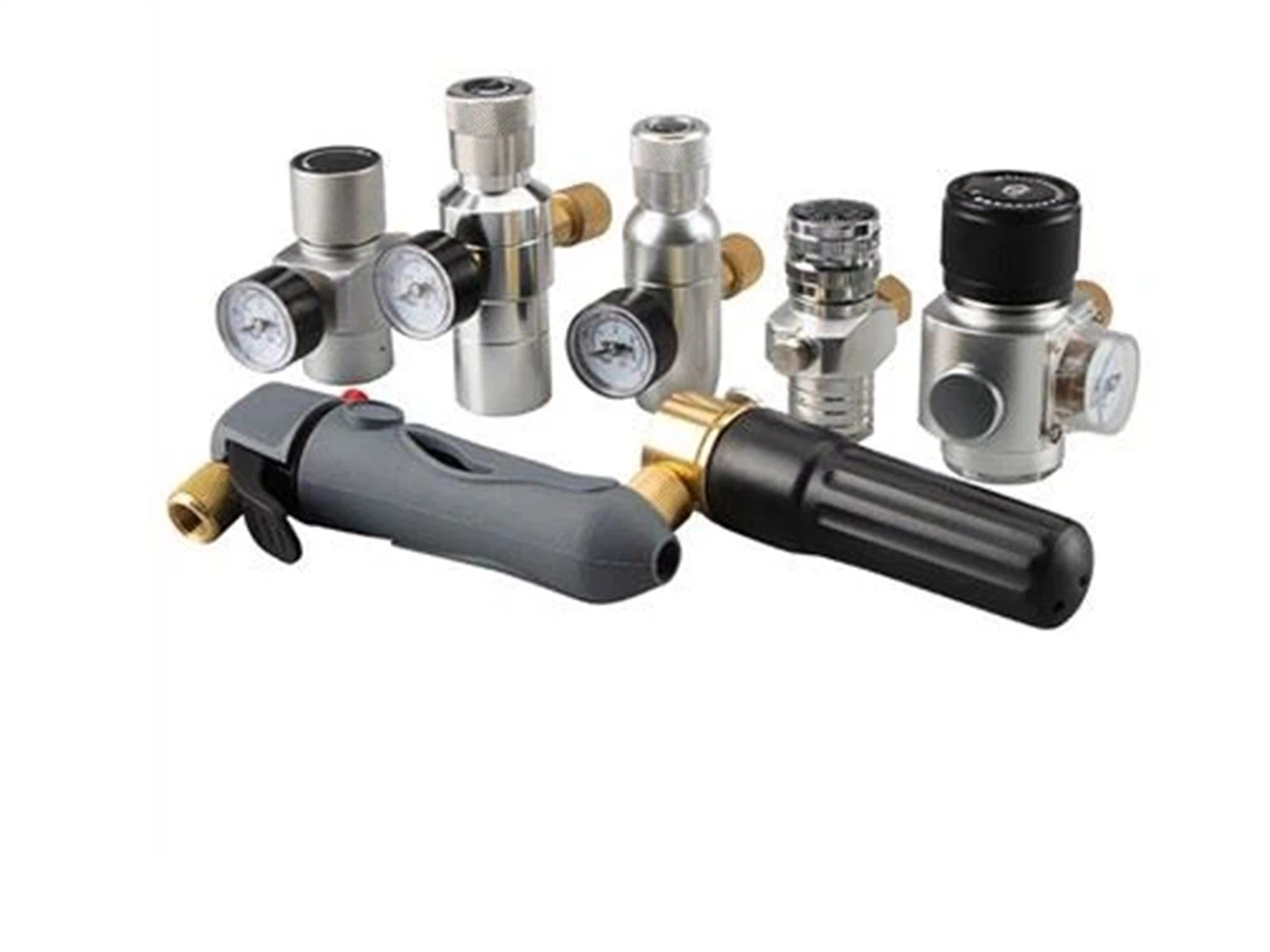
![Mini Regulator]() Add to Inquiry
Add to Inquiry


We're well-known as one of the leading homebrewing product manufacturers and suppliers in China. Please rest assured to wholesale high quality homebrewing product at competitive price from our factory. For custom service, contact us now.
a type coupler, gas regulator for keg, double gauge co2 beer regulator